
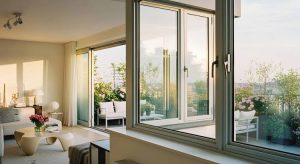
Two rooms in the same house can have wildly different needs. Your bedroom craves quiet and darkness. Your living room wants light, openness, and a view worth showing off. Yet plenty of homes get fitted with the same window in every room, and then everyone wonders why some spaces feel just a little off.
The frame you choose matters as much as the glass. Get it right, and a window quietly does its job for decades. Get it wrong, and you’ll notice the draughts, the glare, or the maintenance every single week. Let’s walk through how to match window styles to each room, and how to pick between the two frame materials most homes come down to.
Why the Frame Deserves as Much Thought as the View
It’s easy to obsess over glass and forget the frame holding it. That’s a mistake. The frame decides how well your window seals, how much upkeep it demands, how it looks, and how long it lasts.
A good frame blocks noise, keeps heat where you want it, and resists the weather year after year. A poor one warps, fades, or lets the outside creep in. Since windows are one of the few things in a home you rarely replace, the frame is a decision worth slowing down for.
Two materials dominate the conversation: uPVC and aluminium. Each has clear strengths, and the smart move is matching the material to the room rather than picking one for the whole house on autopilot.
uPVC vs. Aluminium: The Honest Comparison
Before you match anything to a room, you need to understand what each material actually offers. Here’s the straight version, without the sales gloss.
uPVC is the quiet all-rounder. It insulates beautifully, needs almost no maintenance, and costs less than aluminium in most cases. It resists moisture and won’t corrode, which makes it a natural fit for humid rooms. The trade-off is a chunkier frame profile and a more limited range of finishes.
Aluminium is the slim, strong option. It carries larger panes of glass on thinner frames, so you get more view and more light. It’s exceptionally durable and suits modern, minimalist looks. The catch is that it conducts heat more readily unless it’s thermally broken, and it usually costs more.
| Consideration | uPVC | Aluminium |
| Insulation | Excellent | Good with thermal break |
| Frame profile | Chunkier | Slim, more glass |
| Maintenance | Very low | Very low |
| Cost | More affordable | Higher |
| Best for | Bedrooms, bathrooms, budget builds | Living rooms, large openings, modern homes |
| Look | Classic, practical | Sleek, contemporary |
Neither wins outright. The right pick depends entirely on the room and what you want from it.
Room by Room: Matching Window Styles for Home Comfort
This is where theory meets daily life. Let’s go through the main rooms and think about what each one truly needs, because thoughtful window styles for home comfort start with how you actually live in each space.
Living Rooms: Prioritize Light and View
Your living room is where you want the outside to feel welcome. Big, uninterrupted glass earns its keep here. This is a strong case for aluminium sliding windows design, since the slim frames maximize the view and slide open to blur the line between indoors and out.
If your living room opens onto a garden or balcony, large uPVC doors or aluminium sliding panels flood the space with daylight and make it feel far bigger than it is. Lead with light, and let privacy take a back seat, since this is a shared, social space.
Bedrooms: Prioritize Privacy and Quiet
Bedrooms flip the priorities. Here you want rest, insulation, and a good seal against noise. uPVC shines in this role thanks to its superior insulation and sound dampening.
Pair the frame with the right glass and treatment, and you get a calm, dim, quiet room. If your bedroom opens onto a terrace, well-insulated uPVC doors keep the warmth in on cold nights while still giving you easy access outside.
Kitchens and Bathrooms: Prioritize Moisture Resistance
These rooms live with steam, splashes, and humidity. uPVC handles all of it without corroding or warping, which is exactly why it’s such a reliable choice here. A simple opening window that lets steam escape does more good than any fancy styling.
Frosted or textured glass adds privacy in a bathroom without sacrificing light, a small detail that makes a real difference.
Home Offices and Studies: Balance Light and Glare Control
A workspace needs bright, even light without a screen-blinding glare. Position and orientation matter as much as the frame here. A slim aluminium frame gives you a generous view to rest your eyes on between tasks, while the right glazing keeps the afternoon sun in check.
How Aluminium Sliding Windows Design Transforms Open Spaces
Sliding windows deserve a section of their own, because they do something no hinged window can. They open up an entire wall without a single frame swinging into the room.
Good aluminium sliding windows design leans on the metal’s strength to carry large, heavy panes on narrow tracks. The result is a wall of glass that glides open smoothly, connecting your indoor space to a patio, balcony, or garden in one clean movement. For open-plan homes, that connection is transformative.
There’s a practical payoff too. Because the panels slide rather than swing, you lose no floor space, which is a genuine gift in compact rooms. Just remember that the quality lives in the tracks and rollers. Cheap hardware sticks and rattles, so this is one area where spending a little more pays off every time you open the window.
Where uPVC Doors Fit Into the Picture
Windows rarely work alone. The doors around them shape how a room feels and functions, and uPVC doors are worth a serious look for several spots in the home.
For entrances that face the weather, uPVC doors resist rain, sun, and temperature swings without fading or warping. They seal tightly, insulate well, and ask almost nothing of you in terms of upkeep. That combination makes them a dependable choice for back doors, utility entrances, and terrace access where insulation matters most.
A Simple Checklist Before You Choose
Run through these questions for each room before you commit to a frame or style:
- What’s the room’s top priority: light, privacy, view, or insulation?
- Does the room deal with moisture, noise, or harsh direct sun?
- How much wall space can you dedicate to glass?
- Will a sliding, hinged, or fixed window serve the space best?
- Have you checked the hardware quality with your own hands?
- Does your frame material match the room’s real needs, not just the rest of the house?
If you can answer all six confidently, you’ve planned windows around how you actually live, not just how they look in a brochure.
Conclusion
The best window isn’t the one with the biggest glass or the trendiest frame. It’s the one that suits the room it sits in. Lead with light in social spaces, privacy and quiet in bedrooms, and moisture resistance in kitchens and baths.
Match uPVC to the rooms that need insulation and easy care, choose aluminium where you want slim frames and sweeping views, and let smart window styles for home living guide every decision. Do that, and each window will quietly earn its place for years to come.
