
On a single safari day, wildlife feels intimidating and unpredictable. Animals appear, disappear, and leave more questions than answers. But stay longer for three, four, five days or more, and something changes. You stop chasing sightings and start recognizing patterns.
A multi-day Tanzania Safari reveals that wildlife is not random at all. Animals follow a routine determined by territory, temperature, safety, and memory. The longer you stay in one place, the clearer those routines become and the more meaningful every encounter feels.
This is where the true patterns of wildlife in Tanzania begin to unfold.
Daily Wildlife Movement Patterns
Over consecutive days on Safari in Tanzania, familiar rhythms emerge. A herd of elephants crosses the same valley at nearly the same hour. Zebras drift toward water mid-morning, then retreat to open plains by afternoon. Giraffes browse specific tree lines, returning again and again.
On day one, these movements feel coincidental. By day three, they feel intentional. You begin to anticipate:
- Where animals feed at first light
- Where they rest during heat-heavy hours
- Which routes do they use between grazing and water
These repeated movements turn game drives into storytelling. Instead of asking “What will we see today?” you start wondering “Will they return?” And often, they do. This is the quiet reward of extended safaris in Tanzania.
Predator Territory Behavior
Predators reveal the most when you give them time. Big cats, especially lions, leopards, and cheetahs, operate within well-defined territories. On a multi-day Tanzania safari, you start to recognize individual prides, coalition members, and preferred resting spots.
You may see:
- Lions using the same shaded kopje midday after a hunt
- Leopards returning to familiar trees
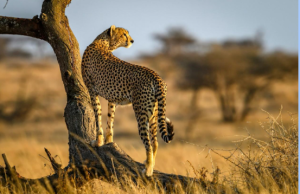
- Cheetahs patrolling open plains at consistent hours
Rather than a dramatic, one-time sighting, you witness continuity. A hunt begun one evening may resolve the next morning. Cubs observed resting one day appear to be playing days later.
This deeper understanding transforms a Tanzania big cats safari from spectacle into a relationship. You’re no longer just watching predators, you’re learning how they live.
Seasonal Wildlife Shifts
Time also reveals change. During a longer stay on Safari Tours in Tanzania, subtle seasonal shifts become visible. Grass height changes. Water sources shrink or expand. Certain species arrive while others drift away.
Depending on timing, you may notice:
- Pregnant herbivores moving toward safer birthing grounds
- Predators are adjusting hunting strategies
- Increased birdlife after rainfall
- Shifts in grazing patterns as grass matures
These transitions are easy to miss on short safaris. But over several days, they shape a living narrative, one where the land itself is an active participant. This is why understanding wildlife behavior in Tanzania requires patience, not just proximity.
Birdlife and Smaller Species
The longer you stay, the smaller your focus becomes, and that’s beneficial. Extended Tanzania safaris naturally slow your pace, allowing attention to drift beyond iconic mammals. You begin to notice:
- Birds that only appear at certain times of day
- Reptiles warming themselves along familiar paths
- Insects that emerge after rain or at dusk
Birdlife, in particular, becomes richer. Calls grow familiar. Nesting behavior becomes apparent. Raptors return to the same perches.
These details add texture to the safari experience. They remind you that the ecosystem doesn’t revolve around headline species, it functions as a complete, interwoven system. This is often where guests feel the deepest connection.
Why Time Enhances Understanding
Wildlife understanding doesn’t come from volume, but it comes from repetition. Seeing ten lions in one day is exciting. Seeing the same pride over four days teaches you:
- Who leads
- Who hunts
- Who rests
- Who protects
Time allows context to replace novelty. On a longer safari trip, guides also shift their approach. Instead of constantly moving to find something “new,” they interpret what you’re seeing. They connect yesterday’s sighting with today’s movement. They explain why animals behave differently under changing conditions.
This layered insight is only possible when you stay put long enough for patterns to emerge. Having a basic understanding of the Best Time To Visit Tanzania can also help you time your safari effectively.
Emotional Shifts Over Multiple Days
Something else happens quietly during extended safaris. Your expectations soften.
You stop measuring success by sightings and start valuing stillness, waiting, and observation. Silence becomes comfortable. Missed moments feel less frustrating because you trust that more will come.
This emotional shift is one of the most powerful outcomes of a multi-day safari. You align yourself with the ecosystem rather than trying to extract experiences from it. That alignment is what makes wildlife stories appear coherent rather than chaotic.
Planning for Pattern-Based Safaris
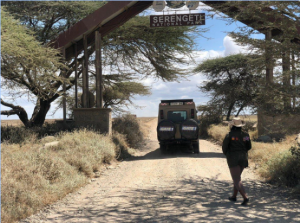
To fully experience wildlife patterns, planning is essential. Staying multiple nights in the same region rather than hopping between Tanzania National Parks allows continuity. Choosing camps near consistent wildlife areas minimizes daily disruption. Thoughtful pacing matters more than luxury or checklist routes.
This approach also influences the Tanzania Safari Cost. Longer stays in one ecosystem often provide better value than rushed itineraries with excessive transfers. It’s a quieter way to safari but a far richer one.
Discover Tanzania through multi-day safaris that reveal wildlife patterns naturally.
Wildlife doesn’t tell its story all at once. It reveals itself slowly through repetition, patience, and time spent in the same places. A Tanzania safari wildlife patterns experience isn’t about seeing more animals. It’s about understanding the lives behind the sightings. Extended safaris turn isolated moments into connected narratives. They replace surprise with insight and excitement with respect.
And once you’ve seen wildlife this way, it’s hard to imagine safari any other way.
